Cart
0
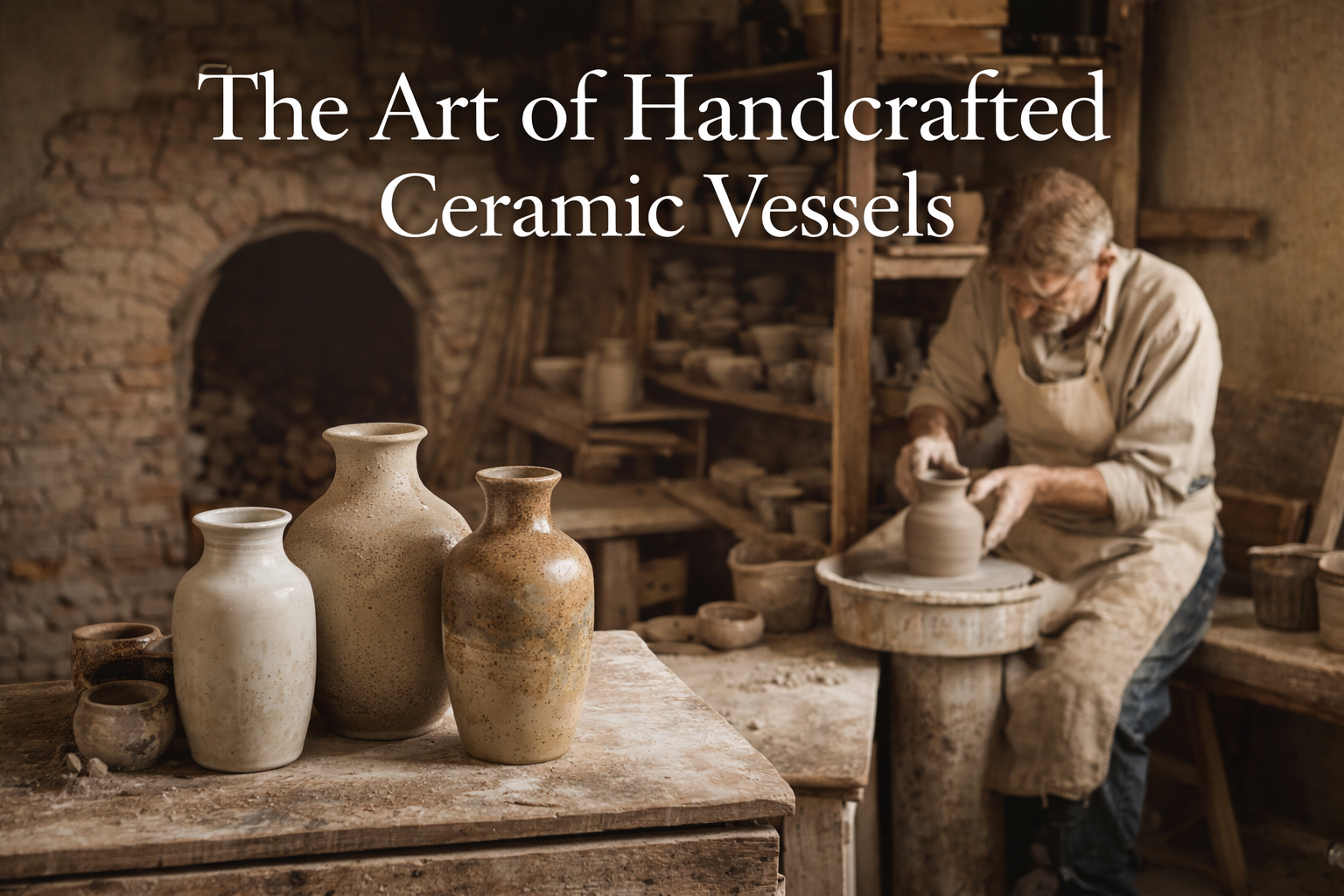

Antique ceramic vessels stand as enduring records of human ingenuity, artistry, and cultural expression. Long before modern manufacturing, ceramics were shaped entirely by hand, relying on generations of knowledge passed down through workshops, families, and regional traditions. Each antique vase reflects not only its material and form, but also the historical conditions, beliefs, and technical limitations of its time.
Unlike modern ceramics, antique vessels were created in environments where consistency was nearly impossible. Kiln temperatures fluctuated, glazes reacted unpredictably, and materials varied from region to region. These variables produced subtle irregularities—variations in glaze thickness, slight asymmetries in form, and organic surface textures—that today are recognized as hallmarks of authenticity.
The Role of Handcraftsmanship
In both Chinese and European traditions, ceramic production demanded years of training. Artisans mastered clay preparation, throwing techniques, hand-building methods, and firing processes before ever producing refined vessels. Many workshops specialized in specific forms or decorative styles, ensuring a high level of expertise within narrow disciplines.
Chinese porcelain, for example, was often produced under imperial oversight, with strict quality standards and symbolic motifs. European ceramics, particularly from the 17th to 19th centuries, frequently drew influence from classical antiquity, botanical illustration, and emerging artistic movements.
Aging, Patina, and Authenticity
Time plays a critical role in defining antique ceramics. Natural aging introduces patina—softening glazes, deepening colors, and revealing fine surface wear. Rather than diminishing value, these changes enhance the vessel’s character and historical presence. Patina serves as visual proof of age, distinguishing genuine antiques from modern reproductions.
Collectors and interior designers alike value these qualities because they cannot be artificially recreated. An antique ceramic vessel tells its story through surface, weight, and texture—qualities that reward careful observation.
Antique Ceramics in Today’s Interiors
While originally created for ceremonial, functional, or decorative use, antique ceramic vessels adapt remarkably well to contemporary spaces. When placed thoughtfully, they act as sculptural anchors, bringing depth and authenticity into interiors that might otherwise feel overly polished or uniform.
The key lies in restraint. Allowing a single antique piece to stand alone preserves its visual authority and ensures its craftsmanship remains the focal point.

❓ FREQUENT QUESTIONS ABOUT ANTIQUE CERAMIC VESSELS
What makes a ceramic vessel truly antique?
An antique ceramic vessel is typically defined as being at least 100 years old. Beyond age, authenticity is determined by materials, production techniques, glaze composition, wear patterns, and stylistic consistency with its historical period.
Are imperfections a sign of damage or authenticity?
In most cases, minor imperfections such as glaze pooling, uneven symmetry, or firing marks indicate handcraftsmanship and authenticity. Serious structural damage should always be disclosed, but subtle irregularities are expected and often desirable.
How should antique ceramics be displayed at home?
Antique ceramics should be displayed in stable, well-lit environments away from direct sunlight or excessive humidity. Stone, wood, or neutral surfaces provide ideal contrast and support their visual weight.
Can antique ceramic vases still be functional?
While some antique vases may hold water, many collectors prefer to treat them as decorative objects to preserve their condition. Using liners or displaying them without liquids is generally recommended.
Why do antique ceramic vessels retain their value?
Their value lies in rarity, craftsmanship, historical significance, and condition. As original techniques fade and surviving examples become scarcer, authentic antique ceramics continue to appreciate both culturally and financially.